Unit 05 - Film
Free Software Documentary Films: What to Watch and Where to Start
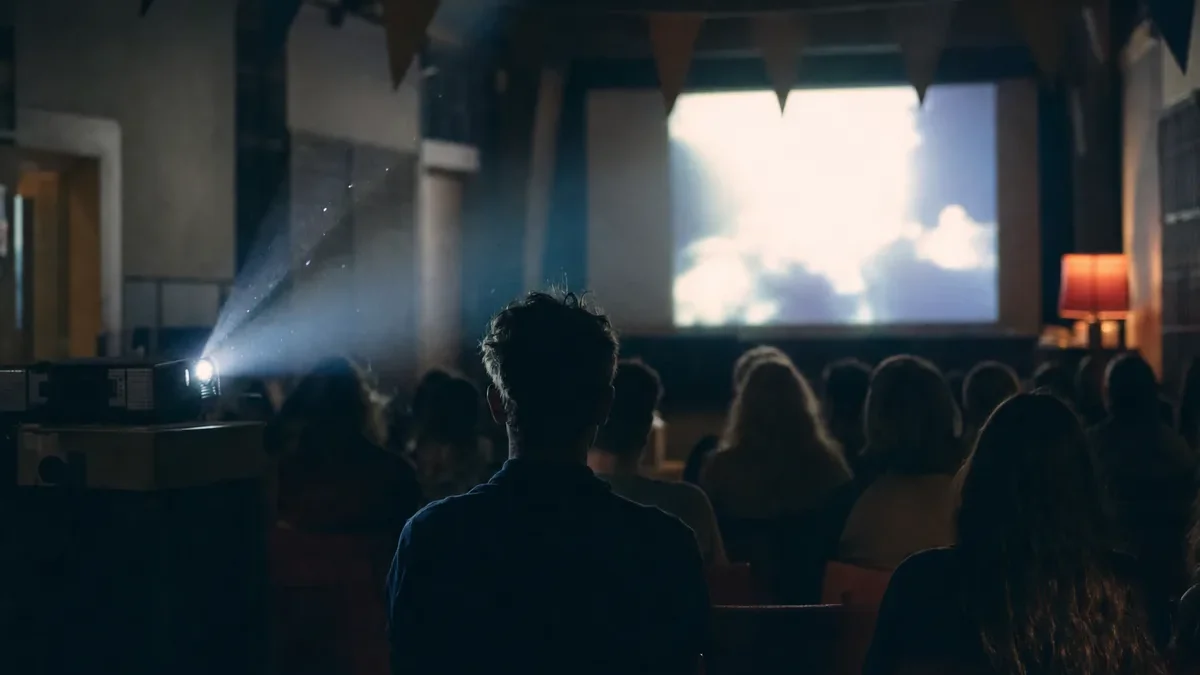
The free software documentary is a small but persistent genre. Every few years someone points a camera at the people who write the code the world runs on, and the results range from festival-grade cinema to shorts released under licences as open as the software they describe. This page maps the free software documentary films worth watching, in what order, and which ones you can legally copy and share.
The films that defined free software on screen
Four films form the core of the canon, and every free software documentary made since is in conversation with at least one of them:
- Revolution OS (2001) interviews Richard Stallman, Linus Torvalds and the first generation of open source founders, and remains the best single introduction to the movement's split personalities.
- The Code (2001), a Finnish production, follows Linux from Helsinki student project to global infrastructure, with unusual access to Torvalds himself.
- Patent Absurdity (2010) covers software patents, the legal threat the free software world organised against, and was itself released under a free licence.
- Internet's Own Boy (2014) tells the story of Aaron Swartz, whose work on open access made him one of free culture's defining figures.
What to watch first
Chronology is not the best viewing order. Start with Revolution OS for the arguments: it frames the free-versus-open-source split that still shapes every licensing debate. Watch The Code second for the people, because it humanises the same history from the European side. Then Patent Absurdity for the politics, and Internet's Own Boy last, when the earlier films have given the stakes their proper weight.
The first three run under two hours combined with time to spare, which makes them a workable single evening. They also age well as paired viewing: Revolution OS and The Code cover the same years from two continents and disagree in instructive ways.
Openly licensed films you can copy and share
A handful of these films practise what their subjects preach. Patent Absurdity was published under a Creative Commons licence and can be downloaded, copied and screened without permission. TPB AFK (2013), the documentary about the Pirate Bay trial, shipped under Creative Commons from day one and was seeded by its own director. Several shorter community-made films about GNU/Linux distributions and hacker culture circulate under free licences as well. For a classroom or a user-group screening, openly licensed free software documentary films are the safe first choice: the licence is the permission slip.
Why a free software documentary still gets made
The genre persists because the material keeps renewing itself, and a good free software documentary ages into a primary source. Each era of the movement, from the GNU manifesto to the licence wars to today's debates about who controls the code behind AI systems, produces people worth filming and arguments worth preserving. Filmmakers keep returning to the subject for the same reason this journal does: the stakes are general-purpose. Whoever controls the software controls the terms of participation, and that argument films unusually well. Readers who prefer the argument in prose can start with the licence guide; those who prefer to act on it will find the contributor's guide more useful than any film.
Frequently asked questions
What is the best free software documentary to start with?
Revolution OS from 2001 is the standard entry point. It captures the founding arguments directly from Richard Stallman, Linus Torvalds and their contemporaries in ninety minutes.
Which free software documentary films are legally free to download?
Patent Absurdity and TPB AFK were both released under Creative Commons licences and can be copied and shared without permission. Most other titles are conventionally distributed, so check the licence per edition.
Do these films cover open source or free software?
Both, and the difference is part of the story. Revolution OS in particular documents the moment the two camps split over whether freedom or practical advantage is the point, a disagreement that still shapes the movement.
Are free software documentaries suitable for classroom screening?
The openly licensed ones are ideal: Creative Commons terms allow public screening without negotiation. For conventionally licensed titles, educational screening rights depend on the distributor and your institution's licences.